In recent years, adjustable beds have moved from hospital corridors to sophisticated, home-friendly sleep systems. For many UK readers, the appeal is clear: improved comfort, enhanced ergonomics, and potential health benefits associated with better spinal alignment and customizable sleep postures. This guide distills key considerations you should weigh before purchasing, with practical questions to ask retailers and a glossary of common terms you’ll encounter in product specs.
What makes an adjustable bed base “adjustable”?
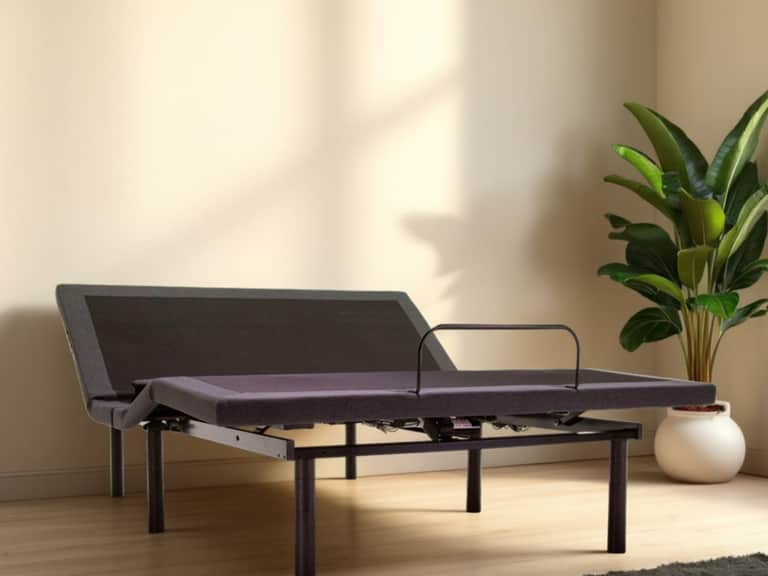
At its core, an adjustable bed base is a platform that can independently raise or lower the head and the feet. More sophisticated models include lumbar support, head tilt, massage functions, USB charging, ambient lighting, and even sleep-tracking features. The best options integrate smoothly with common mattress types—memory foam, latex, hybrid, and innerspring—while remaining compatible with most bed frames, foundations, or platform setups.
When UK shoppers assess bases, they should consider:
- Motor quietness and reliability
- Weight capacity and warranty terms
- Compatibility with your mattress (construction, height, and firmness)
- Design features: wall-hugger, USB ports, under-bed lighting, and preset positions
- Ease of setup and overall footprint in your bedroom
Key features to evaluate
Below is a practical breakdown of the most common features you’ll encounter on adjustable bases, with notes on how they affect everyday use:
- Independent head and foot elevation: The core of adjustment. Look for range specifications (e.g., head tilt degrees, foot incline degrees) to gauge how versatile the bed will be for reading, lounging, or sleeping.
- Lumbar support and neck/torso alignment: Some bases offer targeted lumbar lift or neck tilt to promote spinal alignment and relieve tension.
- Massaging and wellness modes: Massage options can aid relaxation but assess motor noise and the impact on mattress compatibility.
- Under-bed lighting and USB ports: Convenience features that reduce clutter and keep devices charged within reach.
- Sleep-tracking and snore-detection: Higher-end models may connect to apps to monitor sleep patterns or adjust positions in response to snoring.
- Wall-hugger design: Keeps the user close to the nightstand as the head elevates, avoiding the need to slide or scramble.
- Split configurations: Dual-sided bases (split King or two Twin XL sides) allow independent adjustment, ideal for couples with different comfort preferences.
A practical 6-question quick-check for retailers
Before you commit, bring out your checklist and ask these questions to ensure you’re buying a bed base that fits your life:
- What is the weight capacity, and does it align with your mattress choice and body weight distribution?
- Is the motor quiet enough for bedtime use, and is there a documented decibel range?
- What are the exact mattress compatibility notes for memory foam, latex, hybrid, or spring mattresses?
- Is there a wall-hugger option, and does the design work with your bed frame or platform?
- What is the warranty coverage, and what does it exclude (e.g., routine wear, remote batteries)?
- Are there preset positions, and can you program and save your own memory positions?
A UK-centric view: standards, safety, and practical tips
UK readers benefit from clear safety and energy-use guidelines. When evaluating a base, consider standards compliance related to electrical safety and energy efficiency. Check for CE marking, UKCA where applicable, and any local safety guidance. Read the user manual for proper height restrictions, maximum weight capacities, and recommended sleep-position presets to avoid prolonged awkward angles that might stress joints.
For renters or small-space bedrooms, the footprint of the base matters. Some models offer compact heights or 3-in-1 stacking leg options to tailor the bed height without crowding the room. If you use an adjustable base with a bed frame, verify compatibility with slat or platform foundations and ensure there is adequate clearance for movement and foot traffic around the bed.
Real-world voices: three key individuals who shaped sleep and ergonomics across eras
Florence Nightingale (1820–1910): Early patient-centric ergonomics
While most famous for nursing reform, Nightingale’s focus on patient comfort and environmental health laid groundwork for later ergonomic understanding. Her emphasis on reducing patient movement and improving rest influenced how caregivers approached hospital beds and the importance of supportive surfaces. In a modern context, her spirit echoes in the emphasis on comfort, positioning, and safety in bed design and sleeping environments.
Fernand Leger and design ergonomics (early 20th century): Form meets function
Though known for art, contemporaries and designers of the era pushed for furniture that balanced aesthetics with user-friendly ergonomics. Their influence persists in contemporary adjustable bases that marry elegant lines with practical mechanics, showing how design can support healthy posture without sacrificing style.
Dr. Michael Breus (The Sleep Doctor) and modern sleep science (late 20th century–present)
Breus popularized evidence-based approaches to sleep timing and postures. His work reinforces how posture, elevation, and comfort can influence sleep efficiency. While he focuses on broader sleep hygiene, his insights align with the practical ethos of adjustable beds: reduce discomfort and optimize alignment to improve rest quality.
A practical starter plan: selecting a base that suits your needs
Whether you’re a reader in a compact London flat or a family in a semi-detached home, the right adjustable base can transform sleep. Start with a realistic budget, identify the mattress type you’ll pair it with, and measure the space around the bed to ensure you’ll have unrestricted movement when the base articulates. Prioritize quiet operation for night-time use, and verify the warranty coverage for a long-term investment in well-being.
A practical UK-ready selection approach
1) Confirm mattress compatibility with your intended base. 2) Check wall-hugger capability if space near the bed is limited. 3) Review weight capacity and warranty. 4) Consider split configurations for couples. 5) Assess ease of setup and remote operation.
Bottom line: Favor models with independent head and foot adjustment, robust construction, and thoughtful extras like USB ports and ambient lighting, while staying within your budget and room constraints.
Essential tips for safe, smart use
Avoid leaving the base in extreme positions for long periods. Regularly inspect cords and remote controls. Use a compatible mattress and foundation to ensure longevity. Keep the remote handy and avoid heavy furniture directly against the bed that could hinder movement.
Finally, remember: an adjustable bed is a tool for comfort and health, not a fashion statement. Choose wisely, and your sleep—and your mornings—will thank you.
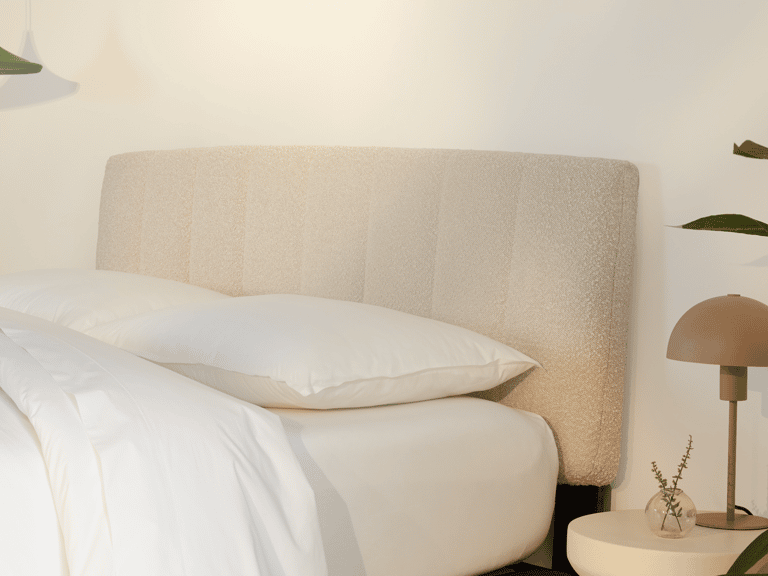
Product spotlight: Bliss Attachable Headboard from Casper
Product image: Bliss Attachable Headboard
Bliss Attachable Headboard (Casper)
Premium boucle weave with wide channel tufting, designed to attach to Casper beds without hardware. The headboard adds a refined texture and a touch of luxury to any bedroom setup. It’s easy to install and provides a secure focal point for your bed, elevating the room’s aesthetic with minimal effort.
795.00 GBP
Materials include boucle weave upholstery, with a clean, contemporary silhouette that complements a wide range of mattress types and bed frames. The Bliss headboard showcases how thoughtful accessories can enhance comfort and style without complicating your sleep system.